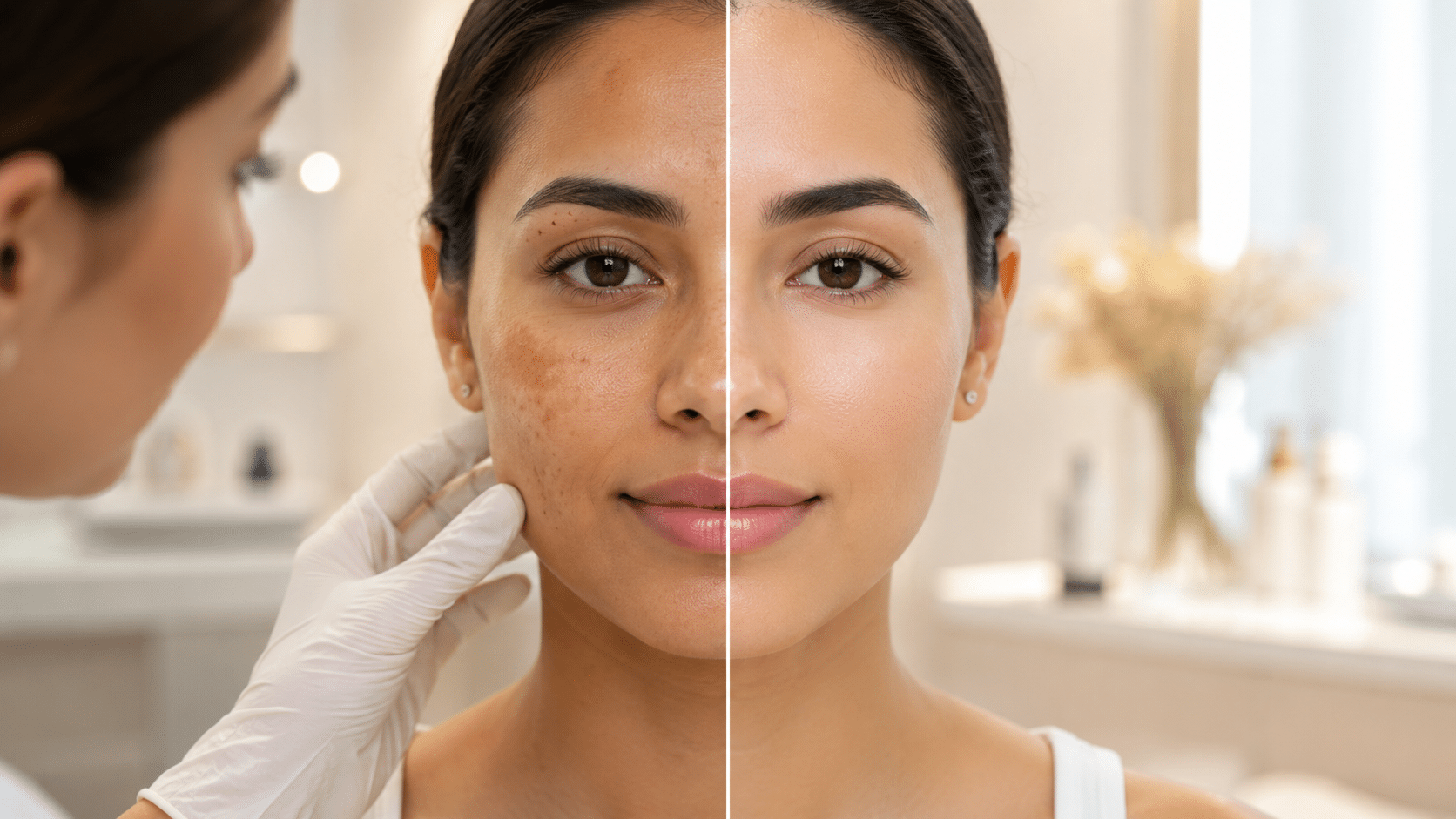
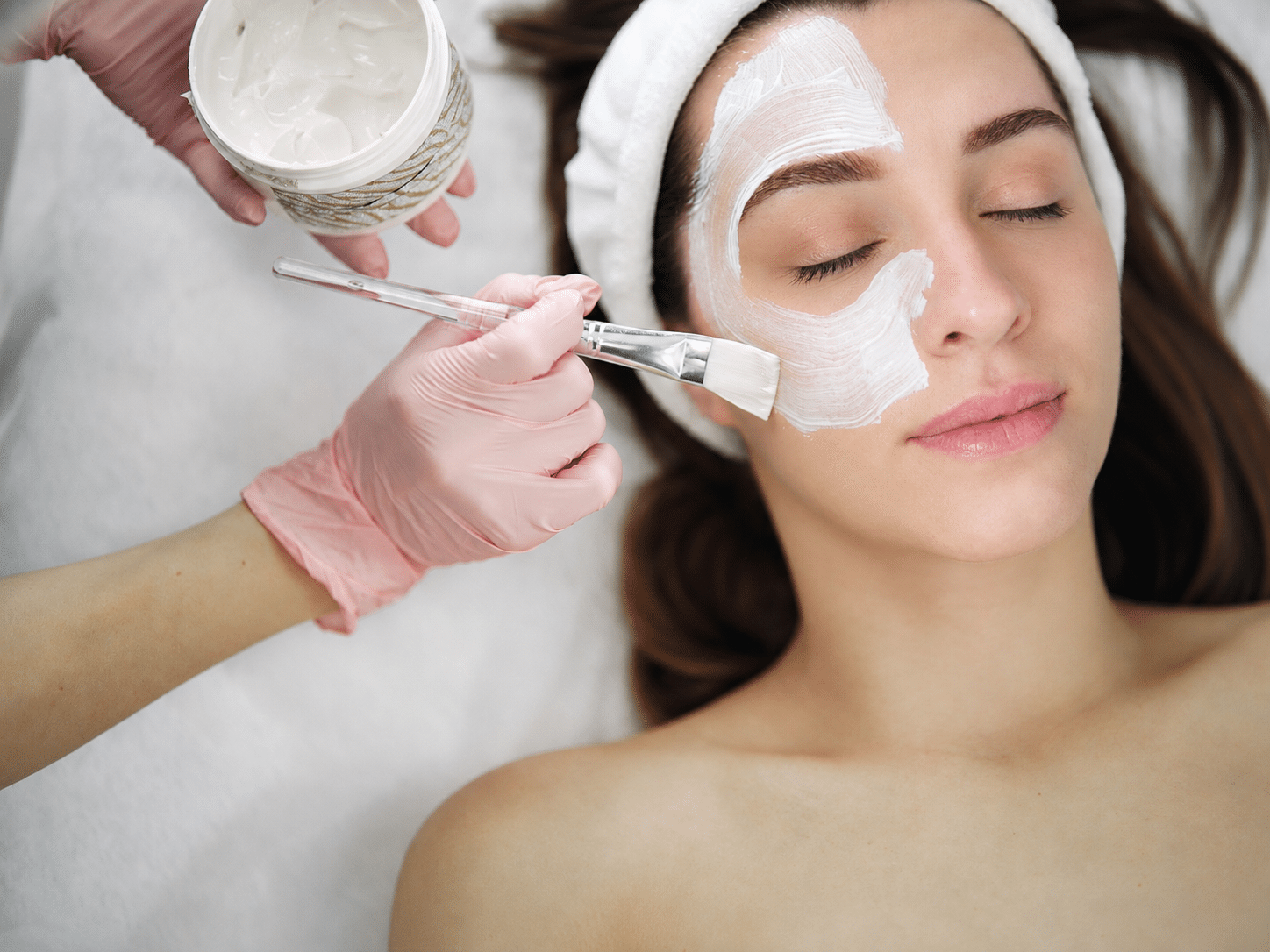
Microneedling and chemical peels are both resurfacing treatments, but they do not solve skin problems in the same way. Microneedling works below the surface by creating controlled micro-injuries that trigger collagen and elastin production. A chemical peel works mainly from the surface down by using a carefully selected acid solution to loosen damaged cells and …

Quick answer: Choose microneedling when the problem is mainly texture or depressed scarring. Choose a superficial chemical peel when the problem is mainly surface pigment, dullness, or mild congestion. If you have melasma, darker skin that develops pigment easily, active inflammatory acne, or a history of keloids, treatment choice should be more cautious and personalized.
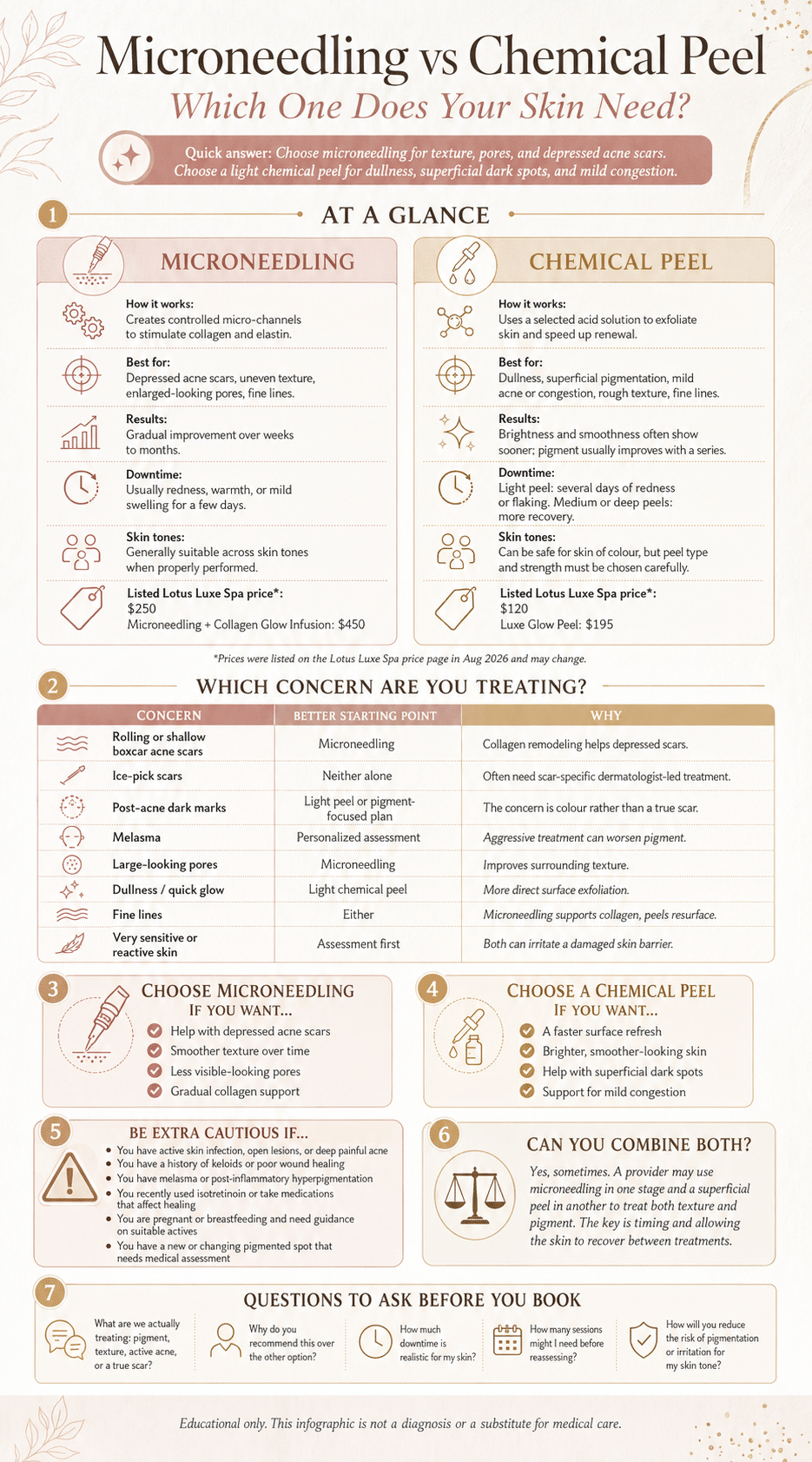
Microneedling vs Chemical Peel at a Glance
| Question | Microneedling | Chemical Peel |
|---|---|---|
| How it works | Creates controlled micro-channels to stimulate collagen and elastin remodeling. | Uses an acid solution to exfoliate selected skin layers and accelerate cell turnover. |
| Best suited to | Depressed acne scars, uneven texture, enlarged pores, fine lines, some pigment concerns. | Dullness, superficial pigmentation, mild acne/congestion, rough texture, fine lines. |
| Results appear | Gradually, as collagen develops over weeks to months. | Often sooner for brightness and smoothness; pigment improvement usually requires a series and sun protection. |
| Typical downtime | Usually redness, warmth, or mild swelling for a few days; full settling can take up to a week. | Depends heavily on peel depth. A light peel may involve redness/flaking for several days; medium or deep peels have much more recovery. |
| Skin-tone considerations | Generally considered suitable across skin tones when properly performed. | Can be safe for skin of colour, but peel type and strength must be selected carefully because pigment changes are a risk. |
| Lotus Luxe Spa listed price* | $250 microneedling; $450 microneedling with Collagen Glow Infusion. | $120 light chemical peel; $195 Luxe Glow Peel. |
*Prices above were listed on the Lotus Luxe Spa price page in August 2026 and can change. Check the current chemical peel cost and other treatment pricing before booking.
What Microneedling Is Better At
Microneedling is a collagen-remodeling treatment. Tiny sterile needles create controlled channels in the skin. The healing response encourages new collagen and elastin, which is why improvement is gradual rather than instant. The American Academy of Dermatology (AAD) lists acne scars, dark spots, large pores, uneven texture, fine lines, and melasma among concerns that dermatologists may treat with microneedling.
1. Depressed acne scars
For rolling or shallow boxcar scars, microneedling is often more useful than a superficial peel because the treatment targets structural texture, not only the outermost skin. If scars are the reason you are comparing treatments, read the site guide to
acne scar treatment options before deciding. Deep ice-pick scars, tethered rolling scars, and raised scars may need dermatologist-led procedures that are different from standard microneedling.
2. Uneven texture and enlarged-looking pores
Because microneedling encourages collagen remodeling, it can make rough or uneven skin look smoother over a series of sessions. Pores do not literally open and close, but improving surrounding texture can make them look less prominent.
3. Fine lines and gradual firmness
Microneedling can be a useful option when the goal is subtle collagen support rather than a fast exfoliating glow. Results typically build over time and may continue to improve for months as collagen remodels.
What a Chemical Peel Is Better At
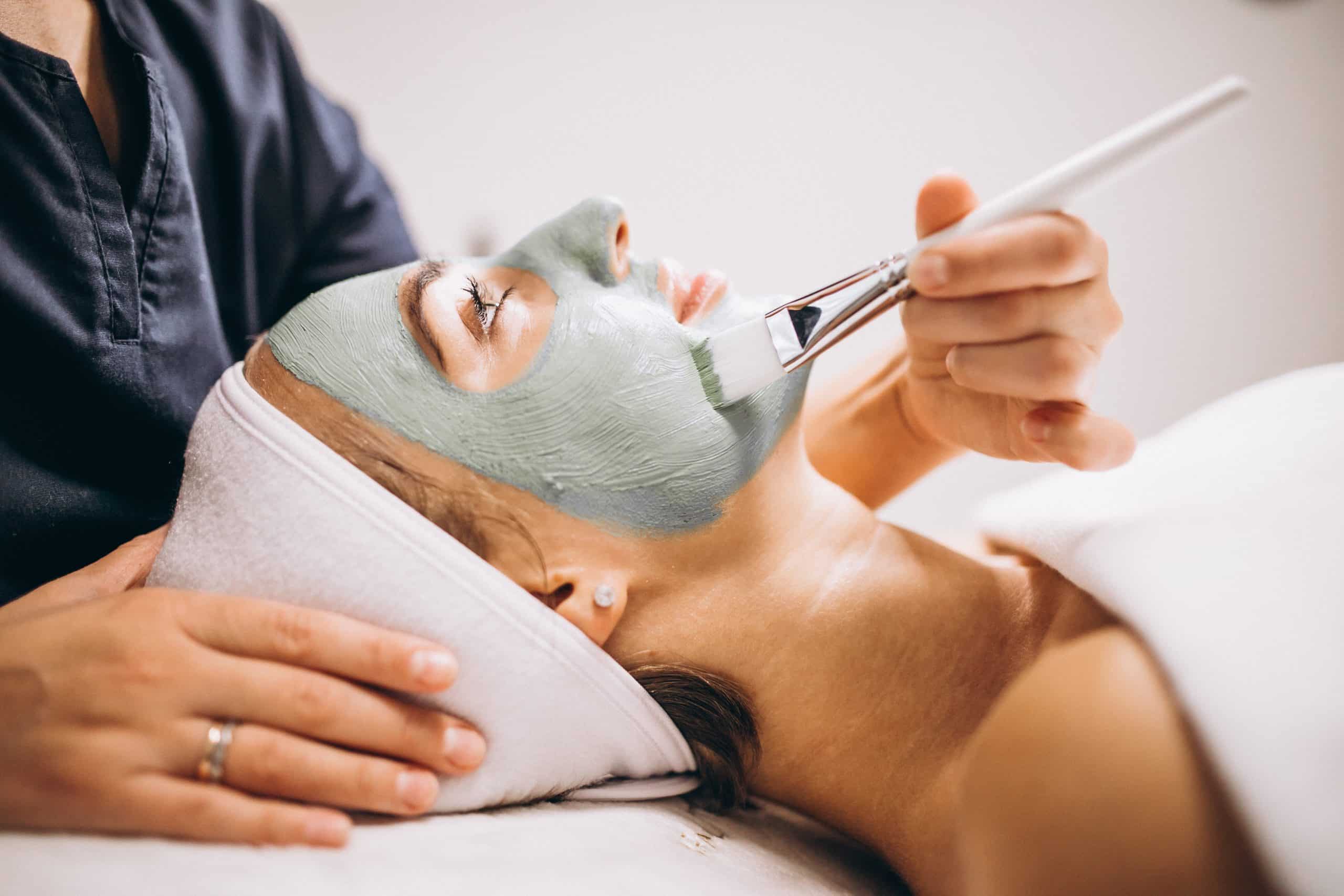
A chemical peel is controlled exfoliation. The provider chooses the peel agent and strength based on the skin concern, skin tone, sensitivity, and desired downtime. Light peels work superficially; medium and deep peels penetrate farther and require more recovery and medical oversight.
1. Dull or rough surface texture
If your skin feels rough, looks tired, or has a layer of visible dullness, a superficial peel can give a faster surface refresh than microneedling. It removes compacted dead cells and can leave skin looking brighter once the initial redness or flaking settles.
2. Superficial dark spots and uneven tone
Chemical peels are commonly used for discoloration, sun damage, and some forms of post-inflammatory hyperpigmentation. However, pigment is not one problem with one solution. Melasma can relapse or worsen after overly aggressive procedures, and darker skin tones may be more prone to post-inflammatory pigment changes.
If you want to understand peel types, strengths, and aftercare first, the chemical peel guide is the most relevant internal resource.
3. Mild acne and congestion
Certain superficial peels can help unclog pores and reduce surface congestion, especially when salicylic or other acne-focused acids are appropriate. This is different from treating deep, painful, active acne. Inflamed cysts or nodules should be assessed and controlled before aggressive resurfacing because new breakouts can create new scars.
Which One Is Better for Your Main Skin Concern?
| Main concern | Usually the better starting point | Why |
|---|---|---|
| Rolling or shallow boxcar acne scars | Microneedling | Targets collagen remodeling in the dermis and is widely used for depressed scars. |
| Ice-pick scars | Neither as a stand-alone answer | Often need a dermatologist-led targeted procedure such as TCA CROSS or another scar-specific method. |
| Post-acne dark marks | Often a light peel or pigment-focused plan | The concern is colour rather than a true scar; sun protection is essential. |
| Melasma | Personalized medical/skin assessment | Peels, microneedling, lasers, and light treatments can help selected patients but can also trigger worsening if used too aggressively. |
| Large-looking pores | Microneedling | Collagen remodeling can improve surrounding texture. |
| Dullness / quick glow | Light chemical peel | More direct exfoliation of the surface. |
| Fine lines | Either | Microneedling emphasizes collagen; peels emphasize resurfacing. Choice depends on depth, downtime, and skin condition. |
| Very sensitive or reactive skin | Assessment first | Both treatments can irritate an impaired skin barrier; gentler care may need to come first. |
Can You Combine Microneedling and Chemical Peels?
Yes, but more is not automatically better. A provider may use microneedling in one part of a treatment plan and a superficial peel in another to address both texture and pigment. The important point is timing. Skin needs enough time to recover between procedures, and the interval depends on peel depth, microneedling intensity, your healing response, active ingredients in your routine, and your history of pigmentation.
Avoid trying to copy professional combination protocols at home. The AAD warns that at-home microneedling can cause irritation, infection, scarring, and unwanted colour changes when it punctures the skin. The AAD also notes that strong at-home chemical peels have caused serious injuries and should be used only under appropriate professional supervision.
Who Should Be Extra Cautious?
- Anyone with active skin infection, open lesions, or deep painful acne in the treatment area.
- People with a history of keloids or poor wound healing, especially when considering microneedling.
- Anyone who recently used isotretinoin or is taking medications that affect healing – timing should be discussed with a qualified clinician.
- People with melasma or a history of post-inflammatory hyperpigmentation, particularly before peels or energy-based treatments.
- Anyone with a new, changing, bleeding, or otherwise suspicious pigmented spot. Cosmetic treatment should not replace medical assessment of a potentially concerning lesion.
- People who are pregnant or breastfeeding should disclose this before a peel or any treatment involving active ingredients so the provider can determine what is appropriate.
What to Expect at Lotus Luxe Spa
Lotus Luxe Spa lists microneedling, a Collagen Glow Infusion microneedling option, light chemical peels, and a Luxe Glow Peel within its facial treatments vancouver service menu. The site also offers lotus laser & skin rejuvenation options for clients whose concerns involve pigmentation, redness, or broader skin rejuvenation.
A useful consultation should not begin with ‘Which treatment do you want?’ It should begin with ‘What exactly are we treating?’ A provider should look at whether the problem is colour, texture, active acne, a true scar, barrier damage, or a combination. That distinction is more important than choosing the most popular procedure.
Questions to Ask Before You Book
- What type of scar or pigmentation do I actually have?
- Why are you recommending this treatment instead of the alternative?
- What downtime is realistic for my skin and the treatment intensity you plan to use?
- How many sessions would you expect before reassessing?
- What products or medications should I pause before and after treatment?
- How will you reduce the risk of post-inflammatory hyperpigmentation for my skin tone?
- What is the plan if my skin reacts more strongly than expected?
Bottom Line
Microneedling and chemical peels overlap, but they are not interchangeable. Microneedling is usually the more logical choice for depressed scarring, texture, and pores because it focuses on collagen remodeling. A superficial chemical peel is usually the more direct choice for dullness, mild congestion, and superficial pigment. If you have several concerns at once, the best plan may use both at different stages rather than forcing one treatment to do everything.
If you are still unsure, a skin assessment at Lotus Luxe Spa Vancouver can help separate texture from pigment and match the treatment intensity to your skin rather than to a trend.
Frequently Asked Questions
Is microneedling or a chemical peel better for acne scars?
For depressed acne scars such as rolling and some boxcar scars, microneedling is often the better starting point because it promotes collagen remodeling. Chemical peels are more helpful for shallow texture, post-acne discoloration, and some superficial scars. Deep ice-pick or tethered scars may need different dermatologist-led procedures.
Which is better for dark spots?
A light chemical peel is often chosen for superficial pigment, but the cause of the dark spot matters. Post-acne marks, sun spots, and melasma behave differently. Daily broad-spectrum sunscreen and correct diagnosis are essential before escalating treatment.
Does microneedling have more downtime than a chemical peel?
Not necessarily. Microneedling usually causes several days of redness, warmth, or mild swelling. A light peel can have a similar short recovery, while medium or deep peels require substantially more healing time. Peel depth matters more than the word ‘peel’ alone.
Can I get a chemical peel one week after microneedling?
Do not use a fixed interval from the internet as your treatment plan. Timing depends on microneedling depth, peel strength, your barrier recovery, active skincare, and your risk of pigmentation. Follow the schedule set by the professional who has assessed your skin.
Is microneedling safe for darker skin tones?
The AAD describes microneedling as safe for all skin tones when properly performed. Chemical peels can also be used in skin of colour, but the provider should have experience choosing safe peel types and strengths because pigment changes can occur after skin injury.
How many sessions will I need?
There is no universal number. The AAD notes that acne-scar microneedling commonly requires a series, and light peels also often need multiple sessions. Your starting concern, scar type, treatment intensity, healing response, and home care determine the plan.
Medical disclaimer:Editorial safety note: This article is educational and is not a diagnosis or a substitute for medical care. New or changing pigmented lesions, severe active acne, recurrent skin infection, keloid scarring, or medication-related healing concerns should be assessed by an appropriate healthcare professional before cosmetic treatment.